
3D Digital Showroom to showcase products, versions and experiences at scale
A Digital Showroom transforms products and catalogs into 3D interactive experiences, allowing you to present versions, colors, accessories, content and commercial arguments even when the physical item is not available on site.
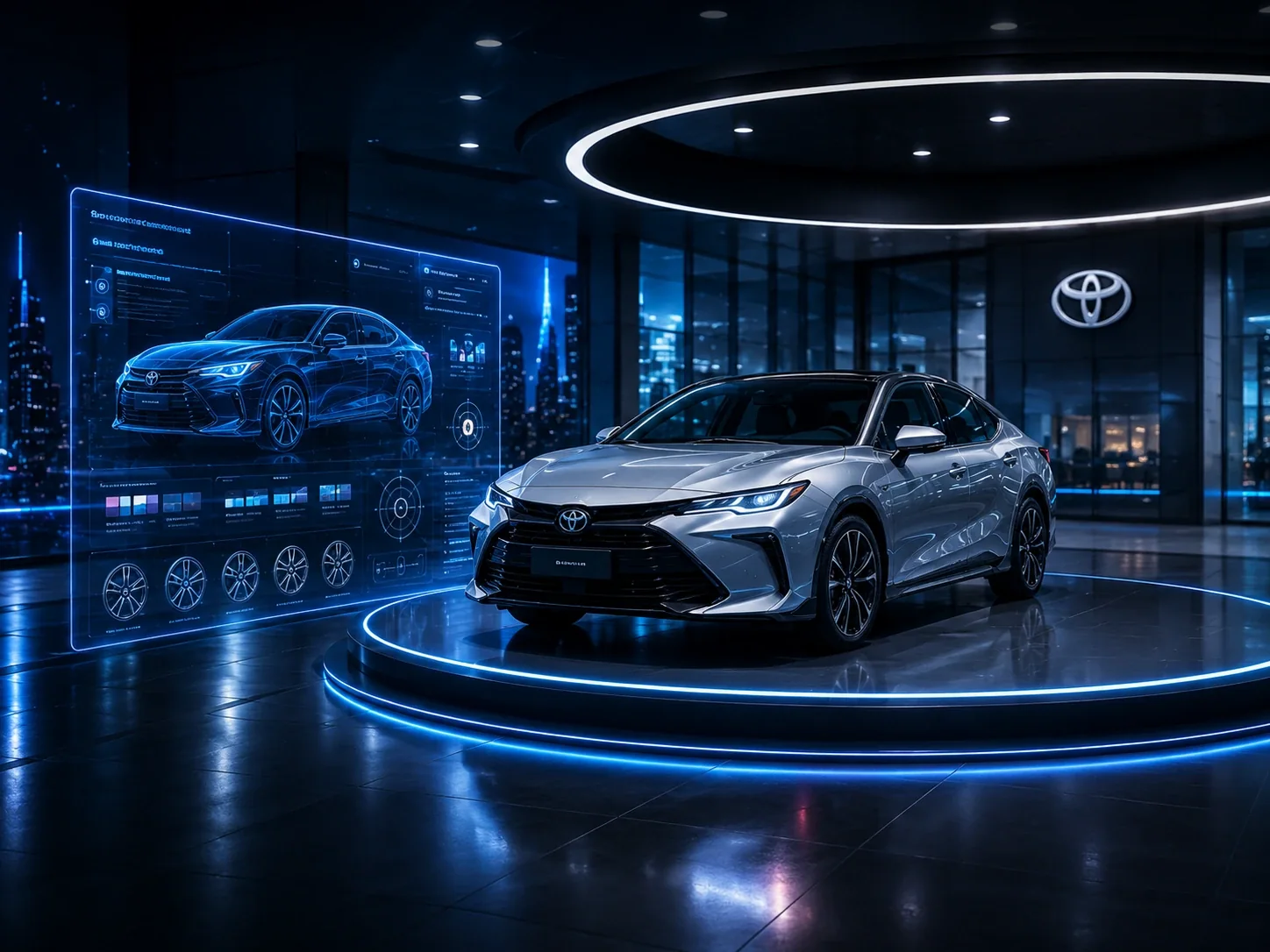
What is Digital Showrooms and when to use it?
Digital showrooms combine 3D assets, presentation interface and a content operations layer to extend demonstration capabilities. They can be installed in stores, dealerships, fairs, totems or operate directly via the web.
In practice: The architecture can integrate catalogue, real-time 3D, image packs, videos, filters, configurators, lead capture and remote updating. In 3D web, assets are optimized for progressive loading and cross-platform compatibility.
Where this solution generates value
Dealerships with a line-up greater than physical stock
It allows you to present models, versions, colors and accessories that are not available in that showroom, supporting the seller with a digital library that is broader than the local stock.
Retail with bulky, configurable or seasonal products
Products that require a lot of physical space can be demonstrated digitally with variations and complementary content, reducing the limitation of the exhibition area.
Industry with technical portfolio difficult to transport
Complex machines, components and solutions can be explored in 3D with details, applications and supporting materials during meetings, fairs or commercial visits.
Trade fairs and brand spaces with interactive catalog
Totems, screens and interactive tables can concentrate a large volume of products and narratives into a guided, updatable experience suitable for the event space.
Commercial presentations on screens, tablets and web
The same library can feed different sales interfaces, maintaining visual consistency and allowing continuity of the journey between in-person and digital service.
From challenge to deployment
Discovery
Objective, audience, environment, KPI and technical restrictions.
Experience design
Journey, interaction, content and product architecture.
Development
Software, 3D, integrations, hardware and validation.
Deploy and evolution
Deployment, support, analytics and continuous updating.
Questions about Digital Showrooms
Does the digital showroom replace the physical product?
Not necessarily. It complements the physical space and allows you to present what is not available in stock, color, version or configuration at that time.
Can it work at dealerships?
Yes. The model is particularly useful in the automotive sector for line-up, versions, accessories, colors, comparison and sales support.
Is it possible to update content remotely?
Yes. Projects can be structured with a centralized library and publication of new assets and content without local intervention.
Does it work on tablet and web?
Yes, as long as the content and 3D models are prepared for the performance limits of each device.
Related content
Do you want to transform this concept into a solution applied to your business?
Talk to our team about goal, environment, content, hardware, integrations and deployment scale.
Talk to an expert →