Horizon OS may report a supported Quest instead of the actual hardware. Understand impact on resources, telemetry, backend and testing.
Direct answer
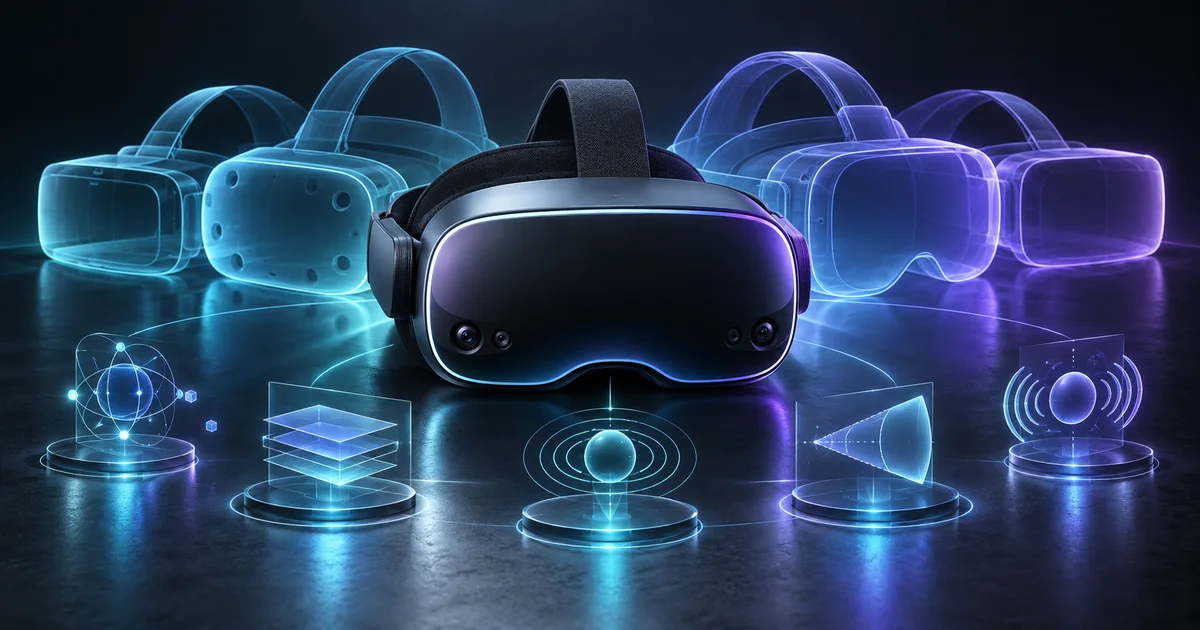
Horizon OS compatibility mode can cause selected APIs to report a previous Quest model in place of the physical headset when the manifest does not declare the current device. The system uses the compatible model to limit some values, such as shared refresh rates, without changing the CPU, GPU, or physical quality of the passthrough. Applications should not use a single model identifier as a source of truth to release resources, analyze fleet, or decide support.
Reported model can be an abstraction
The value received by the application or backend may represent compatibility, not the physical product used by the person.
Capacity must be consulted directly
Refresh rate, eye tracking, memory and input need detection by the corresponding API and fallback, rather than a rigid table by device name.
Telemetry needs to record context
Save reported identifier, manifest, system version, and observed capabilities. Without this, the analysis may attribute behavior to the wrong hardware.
Compatibility does not change the silicon
The mode does not slow down CPU or GPU by itself. Performance difference must be investigated with real metrics, configuration and workload.
Nexus Reading
Model hardware by capabilities and runtime evidence; Use the device name as context, never as exclusive critical role authorization.
FAQ
Does the mode change the power of the headset?
No. Meta states that it does not change CPU or GPU speed.
Why might the reported model change?
Horizon OS chooses a previous model compatible with the application claim to protect legacy software.
How to release resources safely?
Consult support for each capability, maintain fallback and record the actually observed state.
Essential guides to delve deeper into the decision
This editorial analysis was produced by Nexus from the official sources below, consulted on October 27, 2026. The text is original and interprets practical implications for companies.
- Meta Horizon OS Developers — Compatibility mode: activation, reported model, affected APIs and behavior limits.
- Meta Horizon OS Developers — Compare devices: official differences in format, display, memory, input and capabilities between devices.
Date reported by main source: documentation updated on October 7, 2026; analysis published on October 27, 2026.